โดย ผู้ช่วยศาสตราจารย์ ดร. จิรยุทธ์ สินธุพันธุ์
คณะนิเทศศาสตร์ และ สถาบันเอเชียศึกษา
จุฬาลงกรณ์มหาวิทยาลัย
เหวินซวน กัว
สถาบันเอเชียศึกษา จุฬาลงกรณ์มหาวิทยาลัย
บทคัดย่อ
ในยุคที่ระบบระหว่างประเทศเผชิญความตึงเครียดจากการแข่งขันทางภูมิรัฐศาสตร์ ความแตกแยกทางเศรษฐกิจ วิกฤตสภาพภูมิอากาศ และความอ่อนล้าของสถาบันพหุภาคี รัฐต่าง ๆ ถูกกดดันให้เลือกข้าง เร่งแข่งขัน และแสวงหาผลประโยชน์ระยะสั้นอย่างเข้มข้น สำหรับ “รัฐอำนาจปานกลาง” ซึ่งมีบทบาทสำคัญในระดับภูมิภาคแต่ไม่ได้มีอำนาจครอบงำเชิงโครงสร้าง คำถามสำคัญจึงเกิดขึ้นว่า จะดำเนินยุทธศาสตร์อย่างไรท่ามกลางโลกที่แบ่งขั้วมากขึ้น
เวทีวิชาการไทย–ศรีลังกา ณ Institute of Asian Studies ได้นำเสนอคำตอบเชิงแนวคิดที่สำคัญ คือ การประยุกต์ใช้หลักพุทธธรรมเรื่อง “มัชฌิมาปฏิปทา” หรือทางสายกลาง ควบคู่กับแนวคิดเรื่อง “สติ” เพื่อพัฒนาแนวทางความสัมพันธ์ระหว่างประเทศที่มีทั้งจริยธรรมและความรอบคอบเชิงยุทธศาสตร์
บทนำ
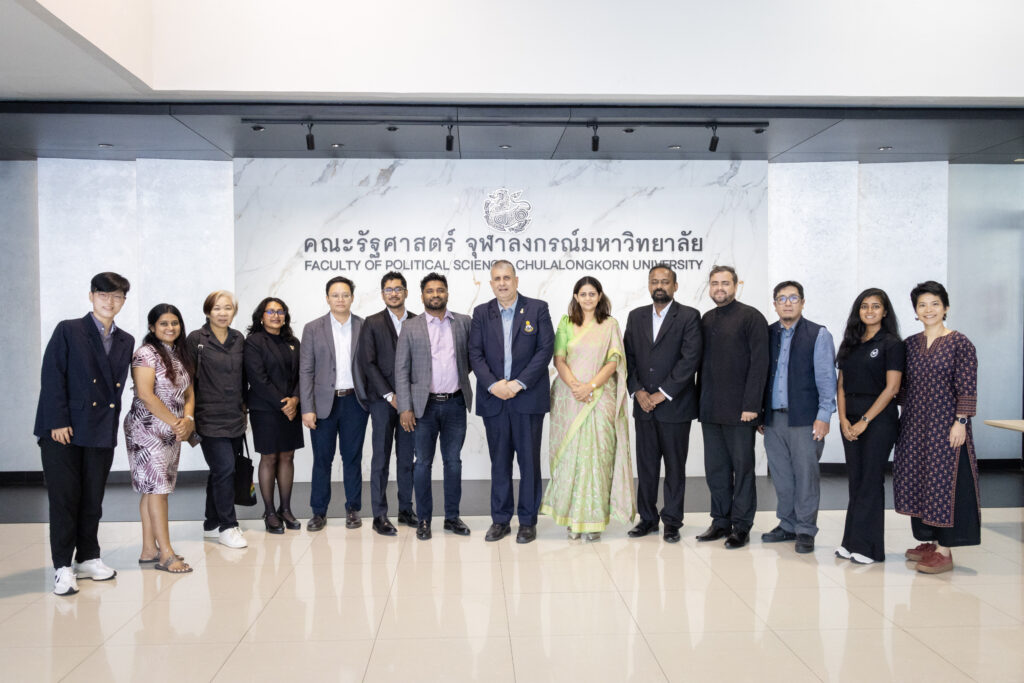
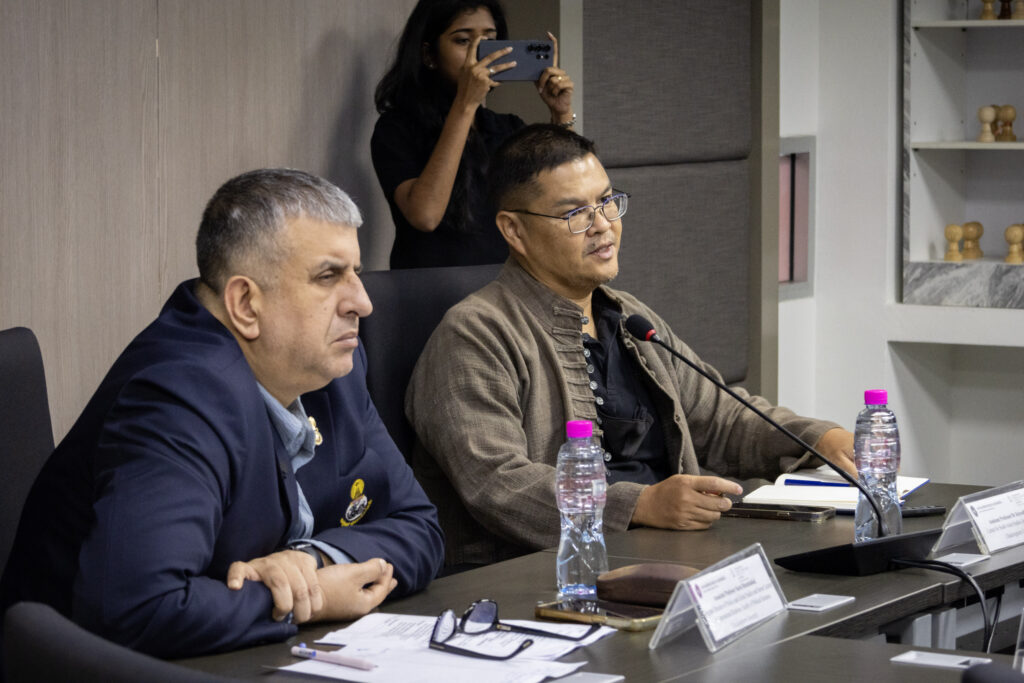
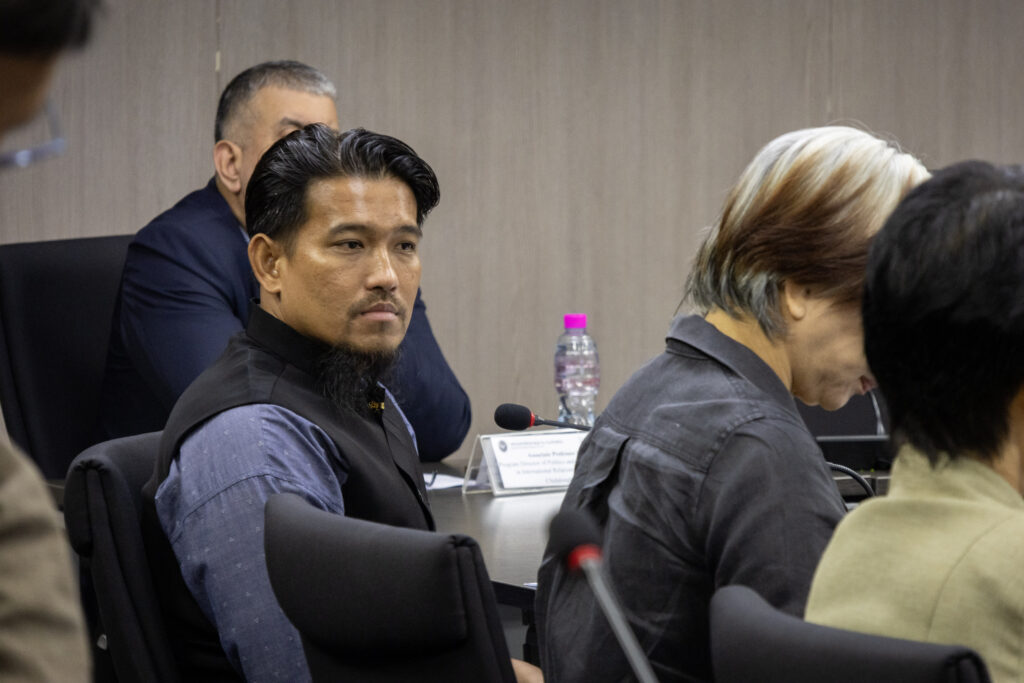
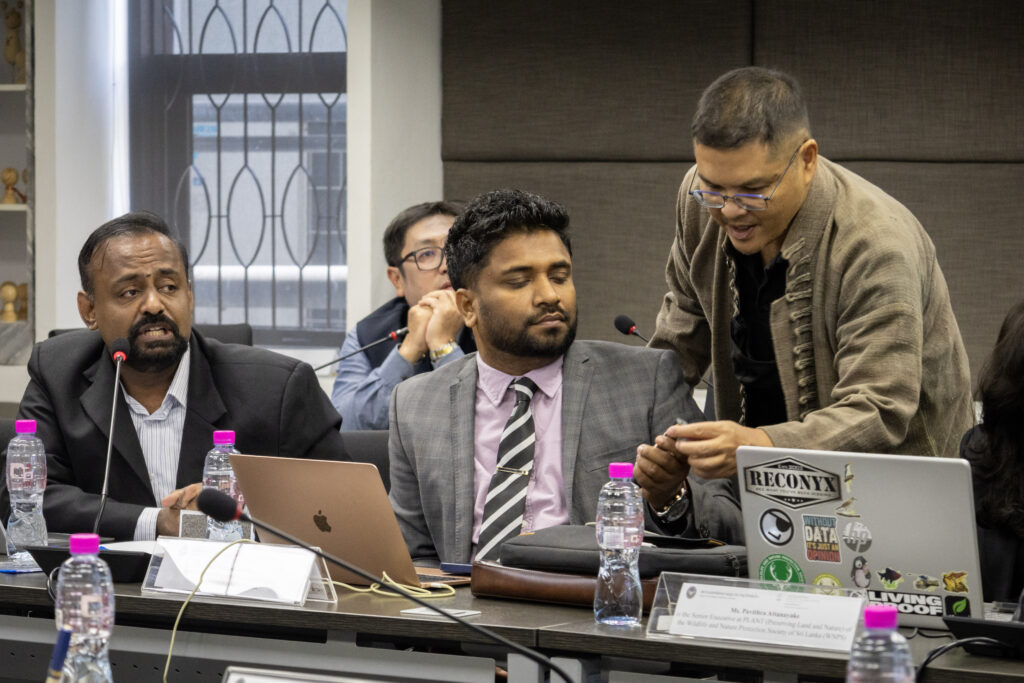
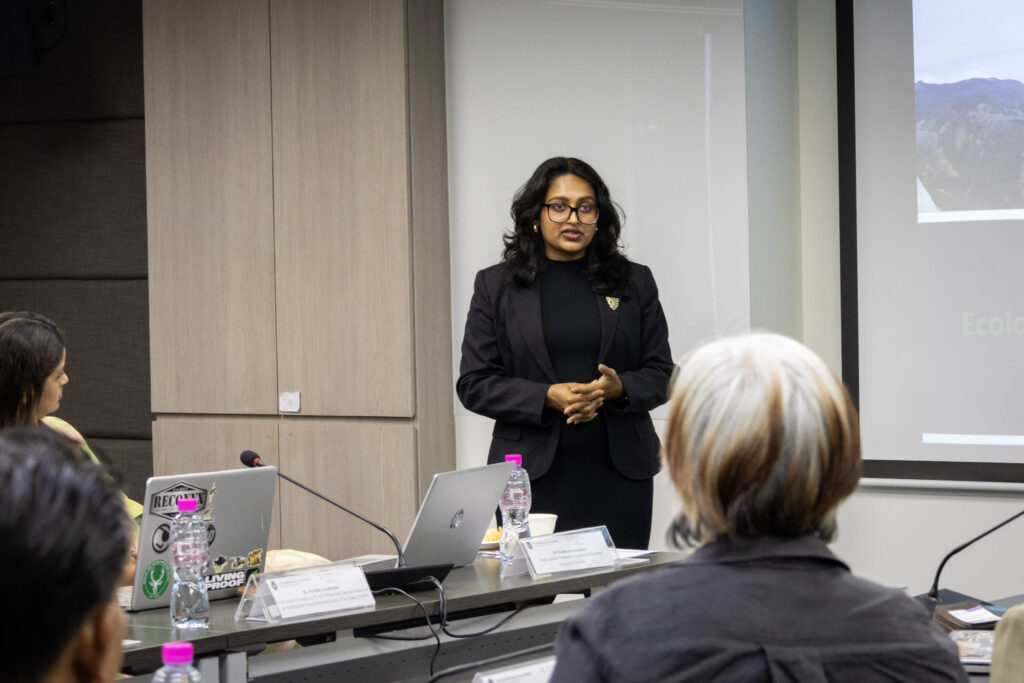
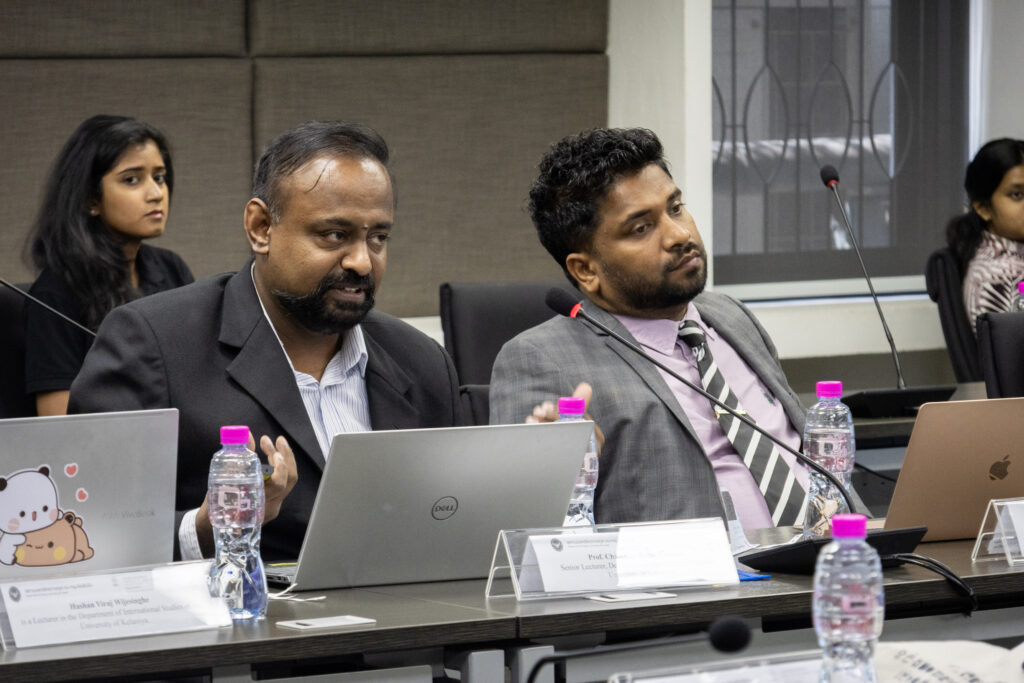
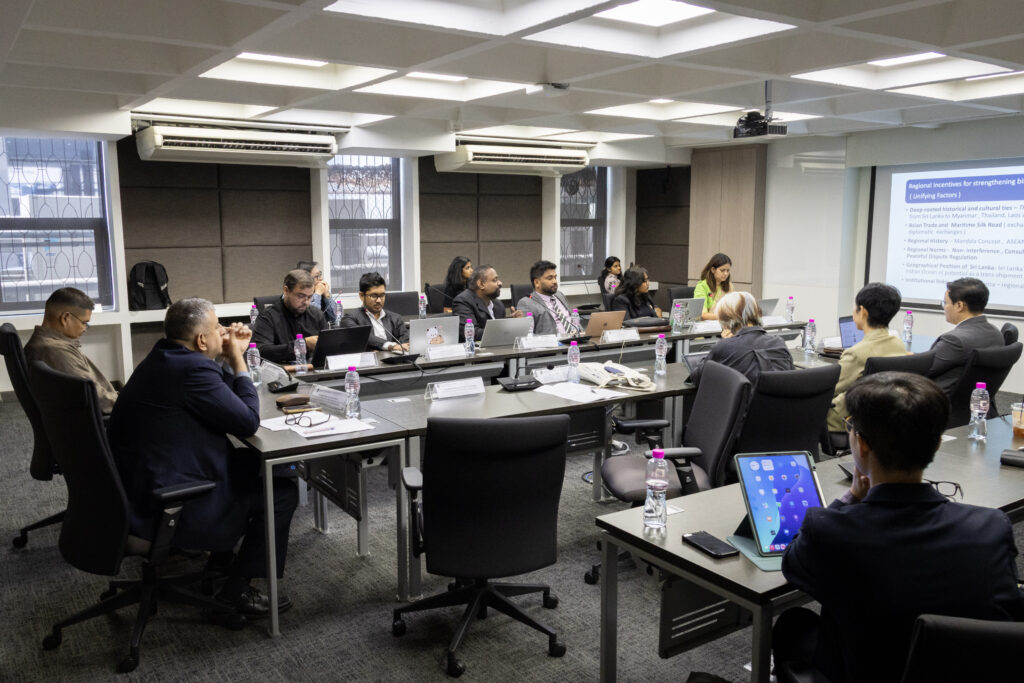
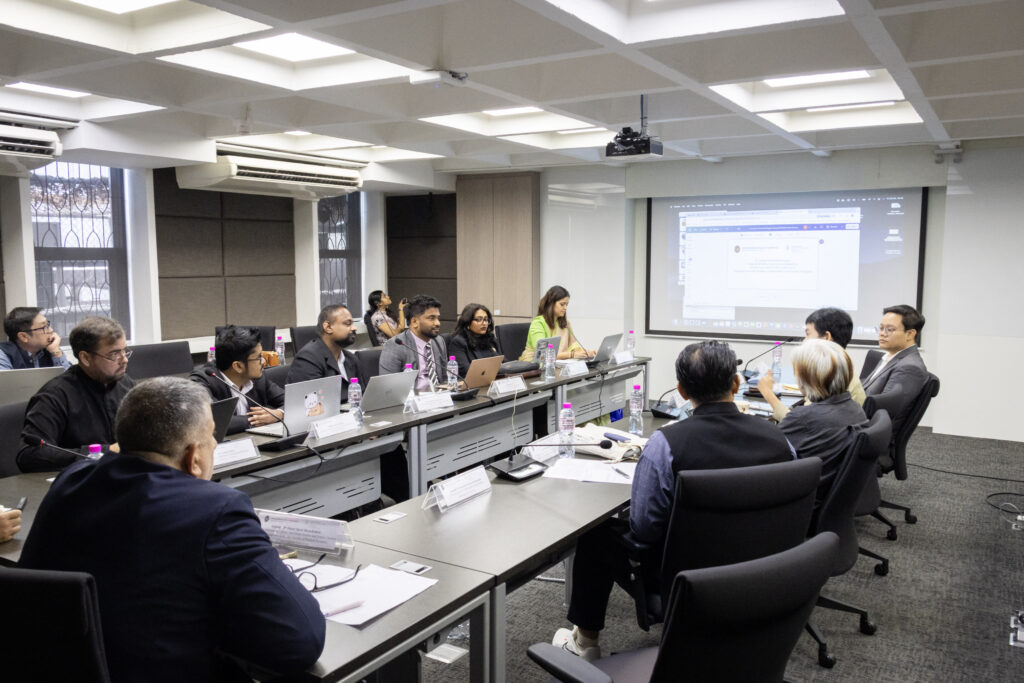
เวทีวิชาการไทย–ศรีลังกาในหัวข้อ “Middle Path for Middle Powers: Towards Mindful International Relations” จัดขึ้นเมื่อวันที่ 20 กุมภาพันธ์ 2569 ณ สถาบันเอเชียศึกษา จุฬาลงกรณ์มหาวิทยาลัย โดยความร่วมมือระหว่างศูนย์เอเชียใต้ศึกษา สถาบันเอเชียศึกษา จุฬาลงกรณ์มหาวิทยาลัย และ สถานเอกอัครราชทูตไทย ณ กรุงโคลอมโบ เวทีดังกล่าวมีวัตถุประสงค์เพื่อสำรวจการประยุกต์ใช้แนวคิด “มัชฌิมาปฏิปทา” (ทางสายกลาง) และ “สติ” ในพระพุทธศาสนา สู่การอธิบายและกำหนดยุทธศาสตร์ด้านธรรมาภิบาล การพัฒนาที่ยั่งยืน และบทบาทของรัฐอำนาจปานกลางในระบบระหว่างประเทศร่วมสมัย การประชุมครั้งนี้รวบรวมนักวิชาการชั้นนำจากทั้งสองประเทศ ครอบคลุมสาขาความสัมพันธ์ระหว่างประเทศ รัฐศาสตร์ นิติศาสตร์ ศาสนศึกษา และการพัฒนาอย่างยั่งยืน เพื่อแลกเปลี่ยนมุมมองเชิงสหวิทยาการ
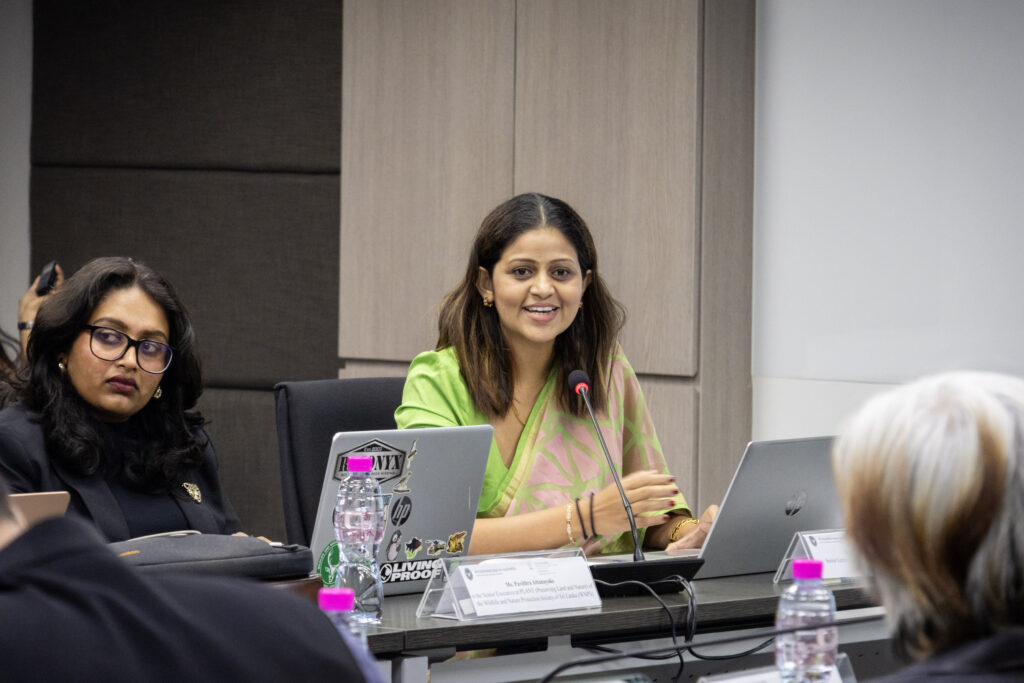
คณะผู้แทนจากศรีลังกาประกอบด้วย ดร. Pavithra Jayawardena และศาสตราจารย์ Chaminda Padmakumara จาก University of Colombo; ดร. George Cooke และ Mr. Hashan Wijesinghe จาก University of Kelaniya; ดร. Nadeesh de Silva จาก Open University of Sri Lanka; และ Ms. Pavithra Attanayake ผู้บริหารอาวุโสโครงการ PLANT แห่ง Wildlife and Nature Protection Society of Sri Lanka
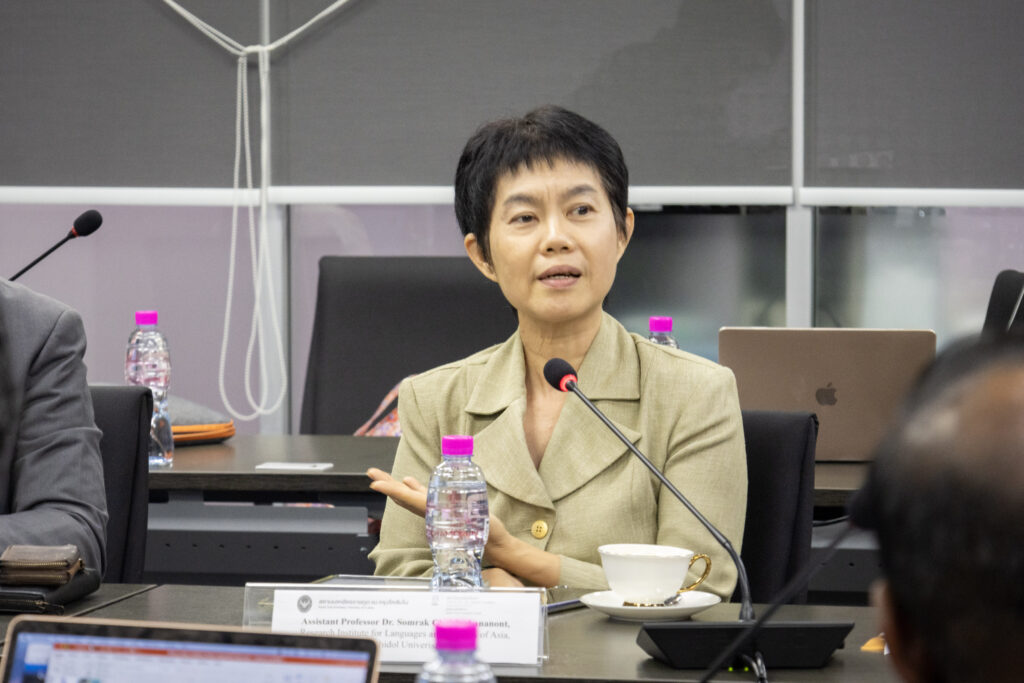
ฝ่ายไทยประกอบด้วย รองศาสตราจารย์ ดร. สุรัตน์ โหราชัยกุล จากคณะรัฐศาสตร์ จุฬาลงกรณ์มหาวิทยาลัย; ดร. อับดุลเราะห์มาน มูเกม จากศูนย์เอเชียใต้ศึกษา สถาบันเอเชียศึกษา; ผู้ช่วยศาสตราจารย์ ดร. ศิริพร สมบูรณ์บูรณะ จากมหาวิทยาลัยวลัยลักษณ์; ผู้ช่วยศาสตราจารย์ ดร. นรุตม์ เจริญศรี จากมหาวิทยาลัยเชียงใหม่; และผู้ช่วยศาสตราจารย์ ดร. สมรักษ์ ชัยสิงห์กานานนท์ จากมหาวิทยาลัยมหิดล

ทางสายกลางในฐานะเข็มทิศเชิงจริยธรรม
ในทางพระพุทธศาสนา ทางสายกลางหมายถึงการหลีกเลี่ยงความสุดโต่งทั้งสองด้าน มิใช่การประนีประนอมเพราะความอ่อนแอ หากแต่เป็นการดำเนินชีวิตอย่างสมดุล บนฐานของปัญญา ศีล และสมาธิ เมื่อนำมาประยุกต์ใช้กับความสัมพันธ์ระหว่างประเทศ ทางสายกลางจึงหมายถึงการหลีกเลี่ยงทั้งการเลือกข้างอย่างแข็งกร้าวและการโดดเดี่ยวตนเอง การเปิดเสรีแบบไร้เงื่อนไขและการปิดประเทศแบบหวาดระแวง ตลอดจนการยึดมั่นในอุดมคติแบบไม่คำนึงถึงบริบท และความเป็นจริงนิยมแบบปราศจากจริยธรรม
สำหรับไทยและศรีลังกา ทางสายกลางจึงเป็นทั้งกรอบคุณค่าและกรอบยุทธศาสตร์ กล่าวคือ เปิดรับความร่วมมือระดับโลก แต่ยังคงพื้นที่เชิงนโยบายเพื่อคุ้มครองผลประโยชน์ของชาติ มีส่วนร่วมในระเบียบพหุภาคีโดยไม่ละทิ้งอธิปไตย และรักษาความเป็นอิสระโดยไม่หันหลังให้ความร่วมมือ
ดังนั้น ทางสายกลางมิใช่ความลังเล หากเป็น “ดุลยภาพอย่างมีวินัย” ซึ่งให้ความสำคัญกับความพอประมาณ ความได้สัดส่วน และความมั่นคงระยะยาว มากกว่าผลประโยชน์เฉพาะหน้า
สติในความสัมพันธ์ระหว่างประเทศ
หากทางสายกลางเป็นทิศทาง “สติ” คือวิธีการ สติในความหมายทางพุทธศาสนา คือการตระหนักรู้ถึงความเชื่อมโยง ความไม่เที่ยง และผลแห่งการกระทำ ในเชิงนโยบาย สติหมายถึงความสามารถของรัฐในการพิจารณาผลกระทบทั้งทางสังคม สิ่งแวดล้อม และความมั่นคงในระยะยาว มิใช่เพียงผลประโยชน์เชิงยุทธศาสตร์ระยะสั้น
ความสัมพันธ์ระหว่างประเทศอย่างมีสติจึงประกอบด้วย
1. การตระหนักรู้ถึงความพึ่งพาอาศัยกันในระบบโลก
2. การตระหนักถึงผลกระทบข้ามพรมแดนของนโยบาย
3. การตระหนักถึงอัตลักษณ์ร่วมในระดับภูมิภาคและอารยธรรม
แนวคิดนี้ช่วยลดการตอบสนองเชิงอารมณ์หรือความหวาดระแวง และส่งเสริมการทูตเชิงรับฟัง การสร้างความไว้เนื้อเชื่อใจ และความอดทนเชิงยุทธศาสตร์ รัฐอำนาจปานกลางจึงสามารถทำหน้าที่เป็น “ผู้ประสาน” และ “ผู้ริเริ่มบรรทัดฐาน” มากกว่าผู้แข่งขันแสวงหาอำนาจ
สติในความสัมพันธ์ระหว่างประเทศ
หากทางสายกลางเป็นทิศทาง “สติ” คือวิธีการ สติในความหมายทางพุทธศาสนา คือการตระหนักรู้ถึงความเชื่อมโยง ความไม่เที่ยง และผลแห่งการกระทำ ในเชิงนโยบาย สติหมายถึงความสามารถของรัฐในการพิจารณาผลกระทบทั้งทางสังคม สิ่งแวดล้อม และความมั่นคงในระยะยาว มิใช่เพียงผลประโยชน์เชิงยุทธศาสตร์ระยะสั้น
ความสัมพันธ์ระหว่างประเทศอย่างมีสติจึงประกอบด้วย
1. การตระหนักรู้ถึงความพึ่งพาอาศัยกันในระบบโลก
2. การตระหนักถึงผลกระทบข้ามพรมแดนของนโยบาย
3. การตระหนักถึงอัตลักษณ์ร่วมในระดับภูมิภาคและอารยธรรม
แนวคิดนี้ช่วยลดการตอบสนองเชิงอารมณ์หรือความหวาดระแวง และส่งเสริมการทูตเชิงรับฟัง การสร้างความไว้เนื้อเชื่อใจ และความอดทนเชิงยุทธศาสตร์ รัฐอำนาจปานกลางจึงสามารถทำหน้าที่เป็น “ผู้ประสาน” และ “ผู้ริเริ่มบรรทัดฐาน” มากกว่าผู้แข่งขันแสวงหาอำนาจ
ความเปิดกว้างอย่างมีการกำกับ: ทางสายกลางทางเศรษฐกิจ
การอภิปรายเรื่อง “regulated openness” หรือ ความเปิดกว้างที่มีการกำกับ สะท้อนการประยุกต์ทางสายกลางในมิติทางเศรษฐกิจ กล่าวคือ เปิดเสรีอย่างเป็นลำดับ คำนึงถึงศักยภาพภายในประเทศ การคุ้มครองแรงงาน และความยืดหยุ่นทางกฎหมาย แทนการเปิดเสรีแบบสุดโต่งหรือการปิดประเทศแบบตัดขาด
แนวคิดนี้สอดคล้องกับ “ปรัชญาของเศรษฐกิจพอเพียง” ในพระราชดำริของ พระบาทสมเด็จพระบรมชนกาธิเบศร มหาภูมิพลอดุลยเดชมหาราช บรมนาถบพิตร ที่เน้นความพอประมาณ ความมีเหตุผล และภูมิคุ้มกันในตัว เมื่อนำมาสู่ระดับภูมิภาค หลักคิดดังกล่าวสามารถเป็นฐานของความร่วมมือทางเศรษฐกิจที่เคารพความแตกต่างเชิงพัฒนา และปกป้องชุมชนท้องถิ่นจากแรงกดดันของทุนนิยมโลก
เศรษฐกิจอย่างมีสติจึงมิใช่เพียงการเพิ่มผลิตภัณฑ์มวลรวม หากแต่เป็นการสร้างความมั่นคงและศักดิ์ศรีของมนุษย์ควบคู่กันไป
สิ่งแวดล้อมในฐานะยุทธศาสตร์สันติภาพ
กรณีการอนุรักษ์โดยภาคเอกชนของศรีลังกา แสดงให้เห็นว่าการปกป้องสิ่งแวดล้อมมิใช่เพียงประเด็นทางธรรมชาติวิทยา หากเป็นยุทธศาสตร์ด้านการพัฒนา ภูมิอากาศ และแม้กระทั่งเสถียรภาพทางภูมิรัฐศาสตร์
ทางสายกลางในมิตินี้คือการสร้างสมดุลระหว่างความต้องการทางเศรษฐกิจของมนุษย์กับขีดจำกัดของระบบนิเวศ การพัฒนาอย่างไร้ขอบเขตอาจเปรียบได้กับ “ตัณหา” ในเชิงโครงสร้าง ซึ่งนำไปสู่ความเปราะบางและความขัดแย้ง การฟื้นฟูระบบนิเวศและการมีส่วนร่วมของชุมชนจึงเป็นทั้งนโยบายสิ่งแวดล้อมและการป้องกันความขัดแย้งในระยะยาว
การทบทวนความเป็นภูมิภาคด้วยมุมมองเชิงศีลธรรม
ความร่วมมือในกรอบอาเซียน (ASEAN) มักถูกมองในเชิงกลไกทางเทคนิค หากแต่แนวคิดความสัมพันธ์ระหว่างประเทศอย่างมีสติชี้ให้เห็นว่าภูมิภาคนิยมควรตั้งอยู่บนฐานคุณค่าร่วม ไม่ใช่เพียงผลประโยชน์ร่วม
ไทยและศรีลังกามีประวัติศาสตร์ความสัมพันธ์ทางพระพุทธศาสนาที่ยาวนาน การแลกเปลี่ยนคณะสงฆ์และองค์ความรู้ข้ามมหาสมุทรอินเดียเป็นหลักฐานของเครือข่ายทางจิตวิญญาณที่มาก่อนการทูตสมัยใหม่ การฟื้นฟูเครือข่ายทางวิชาการ วัฒนธรรม และศิลปะ จึงเป็นรูปแบบของ “การทูตเชิงศีลธรรม” ที่ใช้อำนาจละมุน (soft power) บนฐานความน่าเชื่อถือ มากกว่าการครอบงำ


รัฐอำนาจปานกลางในฐานะผู้สร้างดุลยภาพ
ทฤษฎีความสัมพันธ์ระหว่างประเทศแบบดั้งเดิมมักเน้นบทบาทของมหาอำนาจ แต่ในโลกหลายขั้ว รัฐอำนาจปานกลางอาจมีบทบาทสำคัญในฐานะ “ผู้รักษาสมดุลเชิงจริยธรรม” เพราะไม่มีแรงจูงใจในการครอบงำเชิงโครงสร้าง จึงสามารถเป็นผู้ประสานและผู้สร้างพื้นที่สนทนา
การทูตตามแนวทางสายกลางมิได้ปฏิเสธความเป็นจริงของอำนาจ หากแต่จำกัดการใช้อำนาจด้วยกรอบจริยธรรม ยอมรับการแข่งขัน แต่หลีกเลี่ยงการเผชิญหน้าโดยไม่จำเป็น เปิดรับพหุภาคี แต่ไม่ไร้เดียงสา
บทสรุป
“ทางสายกลางของรัฐอำนาจปานกลาง” จึงมิใช่เพียงถ้อยคำเชิงอุดมคติ หากเป็นข้อเสนอเชิงยุทธศาสตร์สำหรับศตวรรษที่ 21 ในโลกที่เต็มไปด้วยความสุดโต่ง ไม่ว่าจะเป็นโลกาภิวัตน์แบบไร้ขอบเขตหรือชาตินิยมแบบปิดกั้น ทางสายกลางเสนอไวยากรณ์แห่งความสมดุล ขณะที่สติเสนอวิธีการกำกับตนเองอย่างรอบคอบ
สำหรับไทยและศรีลังกา ซึ่งมีรากฐานทางอารยธรรมพุทธร่วมกัน กรอบความคิดนี้มิใช่สิ่งแปลกใหม่ หากเป็นการนำภูมิปัญญาดั้งเดิมมาประยุกต์สู่เวทีโลกสมัยใหม่ หากรัฐอำนาจปานกลางสามารถผสานปัญญาเข้ากับนโยบายได้อย่างแท้จริง ความสัมพันธ์ระหว่างประเทศอาจก้าวสู่ระเบียบที่มั่นคง มีมนุษยธรรม และยั่งยืนยิ่งขึ้น — ที่ซึ่งปัญญาและนโยบายดำเนินเคียงข้างกันอย่างมีสติ.
Middle Path for Middle Powers: Towards Mindful International Relations
Jirayudh Sinthuphan and Wenxuan Guo
Abstract
In an era marked by geopolitical rivalry, economic fragmentation, climate crisis, and institutional fatigue, the international system increasingly pressures states to choose sides, accelerate competition, and maximize short-term advantage. For middle powers—states that possess significant regional influence but lack hegemonic dominance—this polarized environment poses a profound dilemma. Should they align rigidly with major powers, pursue narrow national interests, or attempt to carve out a principled alternative? The recent Thailand–Sri Lanka Academic Dialogue at the Institute of Asian Studies proposed a compelling answer: middle powers can draw upon the Buddhist concept of the Middle Path (Majjhima Paṭipadā) and the practice of mindfulness to cultivate a distinct approach to international relations—one that balances moral clarity with pragmatic governance.
Introduction
The Thailand–Sri Lanka Academic Dialogue on “Middle Path for Middle Powers: Towards Mindful International Relations” was convened on 20 February 2026 at the Institute of Asian Studies. The event was jointly organized by the Center for South Asian Studies of the Institute of Asian Studies, Chulalongkorn University, in collaboration with the Royal Thai Embassy in Colombo. The Dialogue sought to explore how the Buddhist concept of the Middle Path (Majjhima Paṭipadā) and the practice of mindfulness could inform contemporary governance, sustainable development, and the evolving role of middle powers in the international system. The academic discussions brought together distinguished scholars from Sri Lanka and Thailand, reflecting a multidisciplinary exchange across international relations, political science, legal studies, religious studies, and sustainability research.
The Sri Lankan delegation included Dr. Pavithra Jayawardena and Professor Chaminda Padmakumara from the University of Colombo; Dr. George Cooke and Mr. Hashan Wijesinghe from the University of Kelaniya; Dr. Nadeesh de Silva from the Open University of Sri Lanka; and Ms. Pavithra Attanayake, Senior Executive of PLANT at the Wildlife and Nature Protection Society of Sri Lanka.
The Thai delegation featured Associate Professor Dr. Surat Horachaikul from the Faculty of Political Science, Chulalongkorn University; Dr. Abdulrahman Mukem from the Center for South Asian Studies, Institute of Asian Studies; Assistant Professor Dr. Siriporn Somboonboorana from Walailak University; Assistant Professor Dr. Narut Charoensri from Chiang Mai University; and Assistant Professor Dr. Somrak Chaisingkananont from Mahidol University.
The Middle Path as Ethical Compass
In Buddhist philosophy, the Middle Path refers to a way of living that avoids the extremes of indulgence and asceticism. It is not a compromise born of weakness, but a disciplined practice of balance rooted in wisdom (paññā), ethical conduct (sīla), and mental cultivation (samādhi). Applied to international relations, the Middle Path offers a framework for navigating between rigid alignment and isolationism, between reckless liberalization and defensive protectionism, between moral idealism and cynical realism.
For middle powers such as Thailand and Sri Lanka, the Middle Path becomes a strategic orientation: maintaining openness to global engagement while safeguarding policy space; participating in multilateralism without surrendering sovereignty; and exercising autonomy without retreating into nationalism. This orientation reframes diplomacy not as a zero-sum contest but as an exercise in calibrated balance. It recognizes interdependence as a structural reality while insisting on ethical restraint in the pursuit of power.
Thus, the Middle Path transforms from a spiritual teaching into a normative theory of statecraft—one that privileges moderation, proportionality, and long-term equilibrium over short-term gains.
Mindfulness in International Relations
If the Middle Path provides direction, mindfulness (sati) provides method. Mindfulness is the disciplined awareness of interconnection, impermanence, and consequence. In political terms, it demands that policymakers remain attentive not only to immediate outcomes but also to structural implications, social costs, and future generations.
Mindful international relations would therefore entail:
1. Awareness of Interdependence – Recognizing that security, climate stability, trade flows, and public health are mutually embedded across borders.
2. Awareness of Consequence – Evaluating policies in terms of their ethical, environmental, and social ripple effects.
3. Awareness of Identity – Understanding that regional and civilizational identities can serve as bridges rather than barriers.
Such mindfulness resists reactive diplomacy driven by fear or rivalry. Instead, it cultivates strategic patience, empathetic listening, and dialogical engagement. It encourages middle powers to act as mediators, conveners, and norm entrepreneurs—roles that do not require material dominance but moral credibility.
Regulated Openness: A Middle Way in Political Economy
The dialogue’s discussion of “regulated openness” exemplifies how the Middle Path can shape economic strategy. Rather than embracing unrestrained liberalization or rigid protectionism, middle powers can pursue sequenced integration—opening sectors in accordance with domestic capacity, labor protection, and legal safeguards. This model aligns with the ethos of balancing growth with resilience.
Similarly, Thailand’s Sufficiency Economy Philosophy—often associated with Bhumibol Adulyadej—echoes Middle Path thinking. Its principles of moderation, reasonableness, and self-immunity advocate economic development grounded in ethical reflection and social stability. When translated into regional cooperation, such principles encourage trade frameworks that respect developmental asymmetries and protect vulnerable communities.
Economic mindfulness thus reframes trade agreements and connectivity projects not merely as instruments of GDP expansion, but as mechanisms for human flourishing and ecological sustainability.
Environmental Stewardship as Geopolitical Stabilization
One of the most powerful illustrations of mindful governance presented in the dialogue was Sri Lanka’s privately led conservation initiative under the Wildlife and Nature Protection Society. Environmental protection was framed not simply as ecological preservation but as governance strategy, climate strategy, and peace-building strategy.
From a Middle Path perspective, environmental stewardship represents balance between human aspiration and planetary limits. It recognizes that unchecked extraction and growth—forms of collective craving (taṇhā)—generate instability, inequality, and conflict. By integrating ecological restoration with community participation, middle powers can cultivate resilience that reduces future geopolitical friction.
In this sense, mindful environmental policy becomes a form of preventative diplomacy. Climate cooperation between middle powers can stabilize regions, enhance food and water security, and generate shared normative leadership.
Rethinking Regional Solidarity
The dialogue also called for reimagining ASEAN solidarity not merely as bureaucratic coordination but as moral community. Institutions such as ASEAN often struggle when reduced to technical mechanisms divorced from shared ethical foundations. A mindful approach would revitalize regionalism through cultural dialogue, academic exchange, and civilizational memory.
Thailand and Sri Lanka share centuries of monastic exchange across the Indian Ocean—historical ties that demonstrate how spiritual networks preceded modern diplomacy. Reviving such connections through academic mobility, joint research, and cultural collaboration transforms soft power into moral diplomacy. Rather than projecting influence through coercion or dependency, middle powers can cultivate influence through credibility, scholarship, and cultural renaissance.
Middle Powers as Ethical Stabilizers
Traditional international relations theory often centers on great powers, treating middle powers as secondary actors. Yet in a polarized world, middle powers may be uniquely positioned to serve as stabilizers. Without hegemonic ambitions, they can exercise convening power and moral entrepreneurship. Without existential rivalry, they can model balanced engagement.
A Middle Path diplomacy does not deny the reality of power politics; rather, it contextualizes power within ethical boundaries. It acknowledges strategic autonomy while rejecting domination. It embraces multilateralism without naivety. It seeks equilibrium rather than escalation.
Such an approach may also contribute to what might be termed “mindful multipolarity”—a system in which multiple centers of influence operate with self-restraint and dialogical engagement rather than antagonistic blocs.
From Philosophy to Practice
For the Middle Path to inform international relations meaningfully, it must move beyond metaphor. Concrete initiatives—academic networks on mindful governance, dual-degree programs, joint research on ethical capitalism and climate responsibility, and annual dialogues rotating between partner countries—translate contemplative wisdom into institutional architecture.
In doing so, middle powers demonstrate that ethical reflection is not a luxury but a strategic asset. Mindfulness becomes not passive introspection but active calibration. The Middle Path becomes not indecision but disciplined balance.
Conclusion
“Middle Path for Middle Powers” is more than a poetic formulation; it is a strategic proposition for the twenty-first century. In a world tempted by extremes—hyper-globalization or fragmentation, moral grandstanding or cynical realism—the Buddhist Middle Path offers a grammar of balance. Mindfulness supplies the practice of attentive, consequence-aware governance.
For countries such as Thailand and Sri Lanka, whose civilizational histories are deeply intertwined with Buddhist thought, this framework is not imported theory but lived tradition. By integrating ethical moderation with pragmatic statecraft, middle powers can help shape a more stable, humane, and sustainable international order.
In such an order, wisdom and policy indeed walk hand in hand—not as abstraction, but as the foundation of mindful international relations.


